Cosmetic Tattoo Brisbane Studio Face Figurati has seen a noticeable rise in new clients asking about dermaplaning– not just what it is, but whether they can do it themselves or who they should trust with the blade. And fair enough – when done properly, this treatment can seriously elevate your skin game. Dermaplaning has gone from niche facial treatment to a full-blown beauty buzzword. And while the idea of gliding a blade across your face to slough off dead skin cells and facial hair might sound like a DIY dream, the reality? It’s a bit more layered than TikTok lets on.
If you’ve ever watched a video and thought, “Could I do that at home?” or booked in with someone without checking their qualifications, this one’s for you. As someone who’s been in the skin space for over a decade, I’ve seen what happens when dermaplaning is done right – and when it’s done recklessly.
So let’s strip it back (pun intended) and talk about who should actually be performing dermaplaning, what credentials matter, and why it’s not just about wielding a surgical blade.
More Than Just Peach Fuzz Removal?
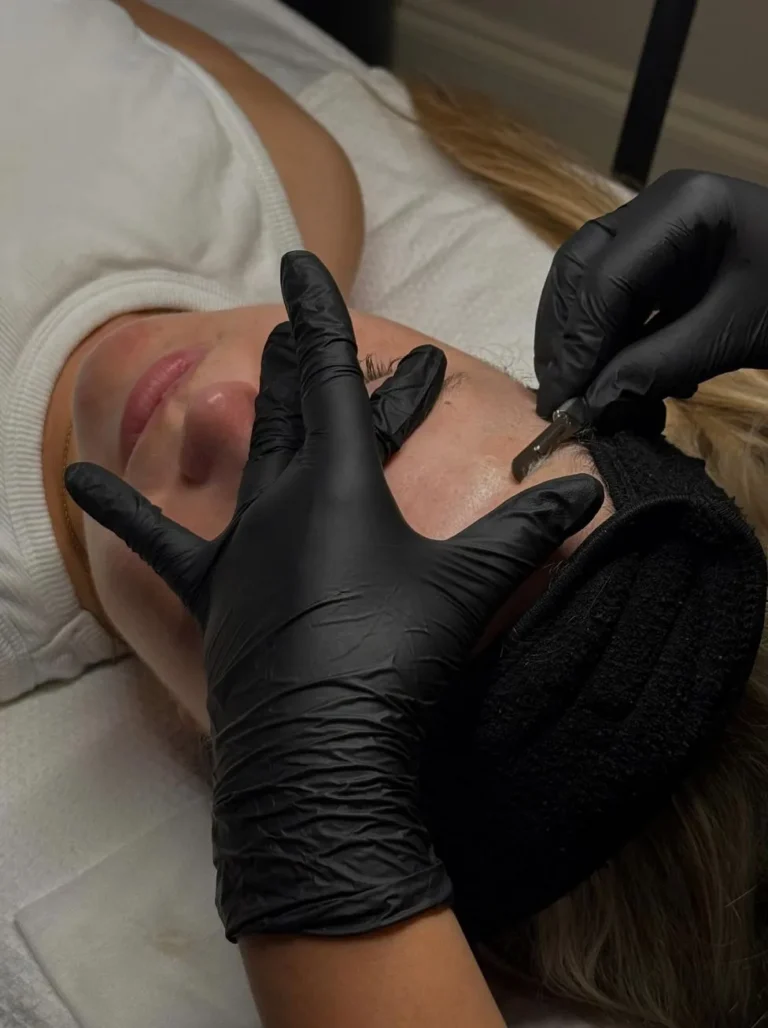
Think of dermaplaning as physical exfoliation meets facial hair removal. It involves using a sterile, exfoliating blade to gently scrape off dead skin cells and fine vellus hair (aka peach fuzz) from the outer layer of the skin. When done correctly, it reveals smoother skin and a more even skin tone, while helping skincare products absorb better.
The Benefits (When It’s Done Right)
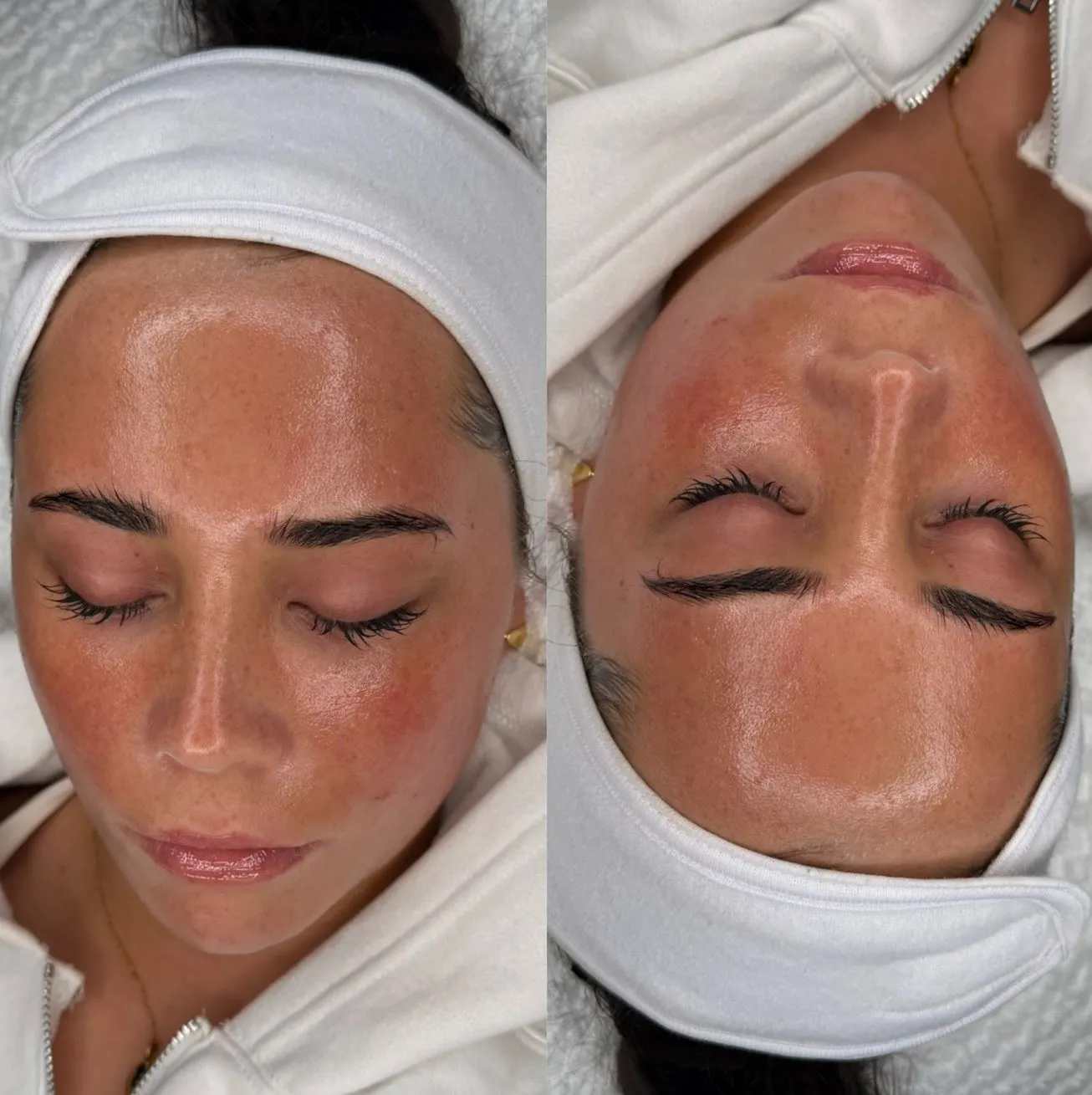
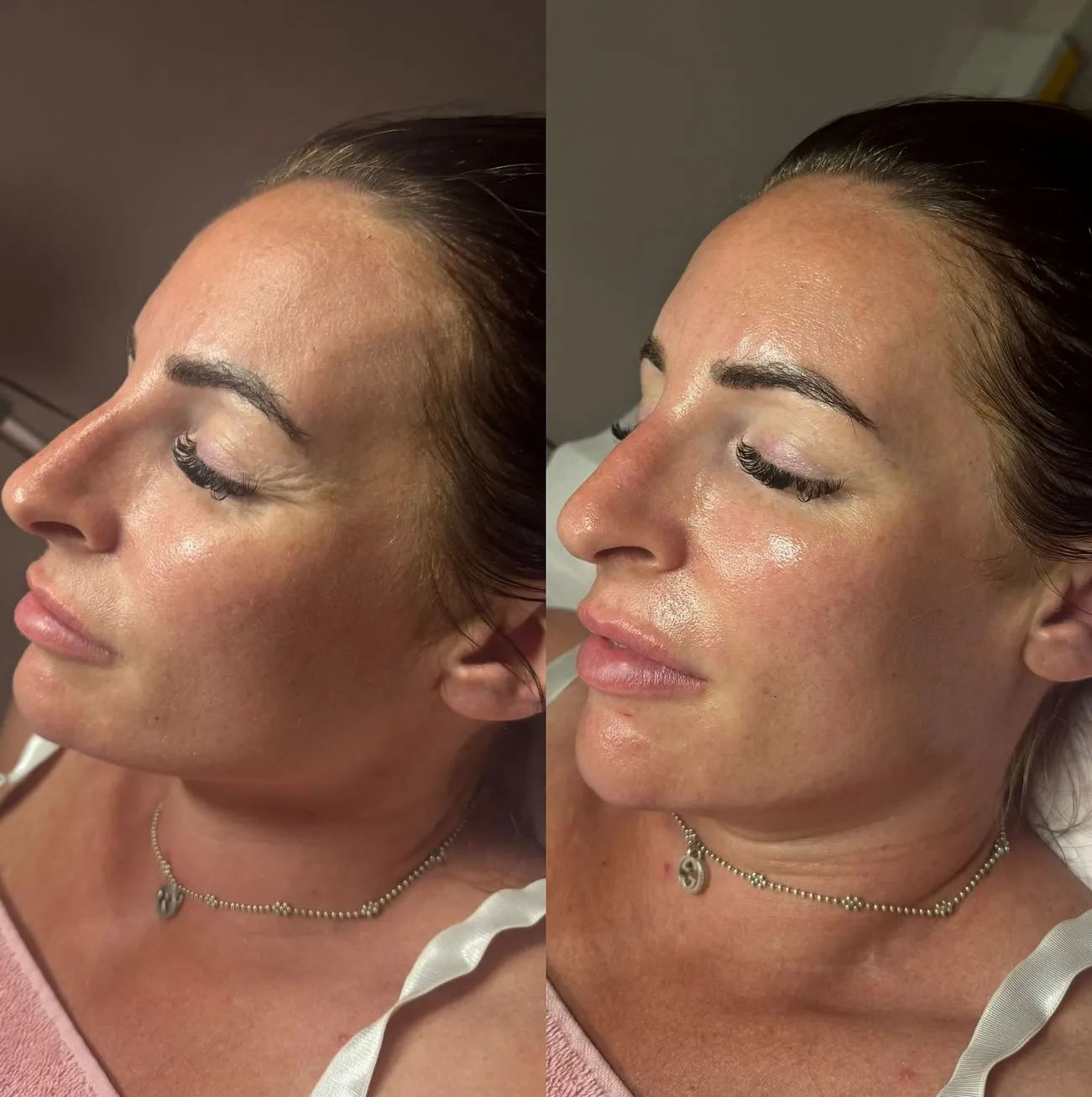
- Instant smooth complexion
- More even skin tone and glow
- Better absorption of skincare products
- Flawless base for makeup
- Temporarily removes facial hair (it doesn’t grow back thicker!)
- Reduces the appearance of dull complexion, acne scars, and sun damage
But There Are Risks Too
- Cuts and nicks from unskilled handling
- Spreading bacteria (especially with active acne or active breakouts)
- Skin irritation from over-exfoliation
- Disruption of skin cells and layers of skin
- Triggering future breakouts or aggravating sensitive skin
This isn’t a glorified shave. It’s a facial procedure that requires skill, hygiene, and a solid understanding of skin types and skin issues.
Who’s Qualified to Do It?
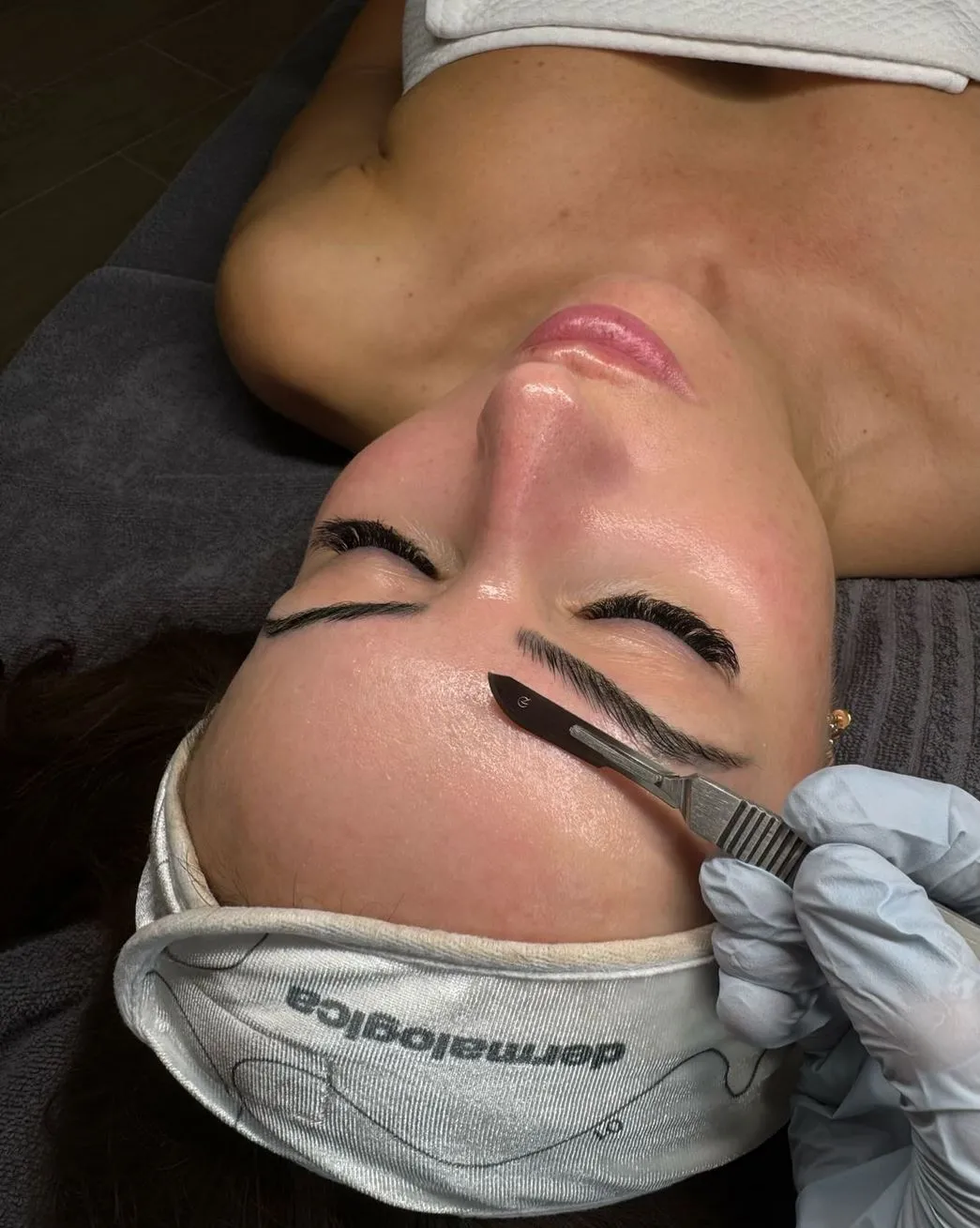
Here’s where the lines get a bit blurry – and risky.
In Australia, dermaplaning falls into a grey area of regulation. It’s not considered a medical procedure, so it isn’t tightly governed like injectables. That said, there are still expectations and responsibilities around who should be holding that blade near your face.
Qualified Professionals Only
At minimum, dermaplaning should only be performed by:
- Beauty therapists with a Diploma in Beauty Therapy (or higher)
- Dermal clinicians, aesthetic dermatologists, or dermatology-trained nurses
They should also hold:
- A dermaplaning-specific certificate from a recognised training course
- Up-to-date infection control, health history screening, and first aid qualifications
- Public liability insurance
If someone can’t show you their certifications or talk confidently about contraindications like active skin conditions, run.
Unqualified Practitioners to Watch Out For
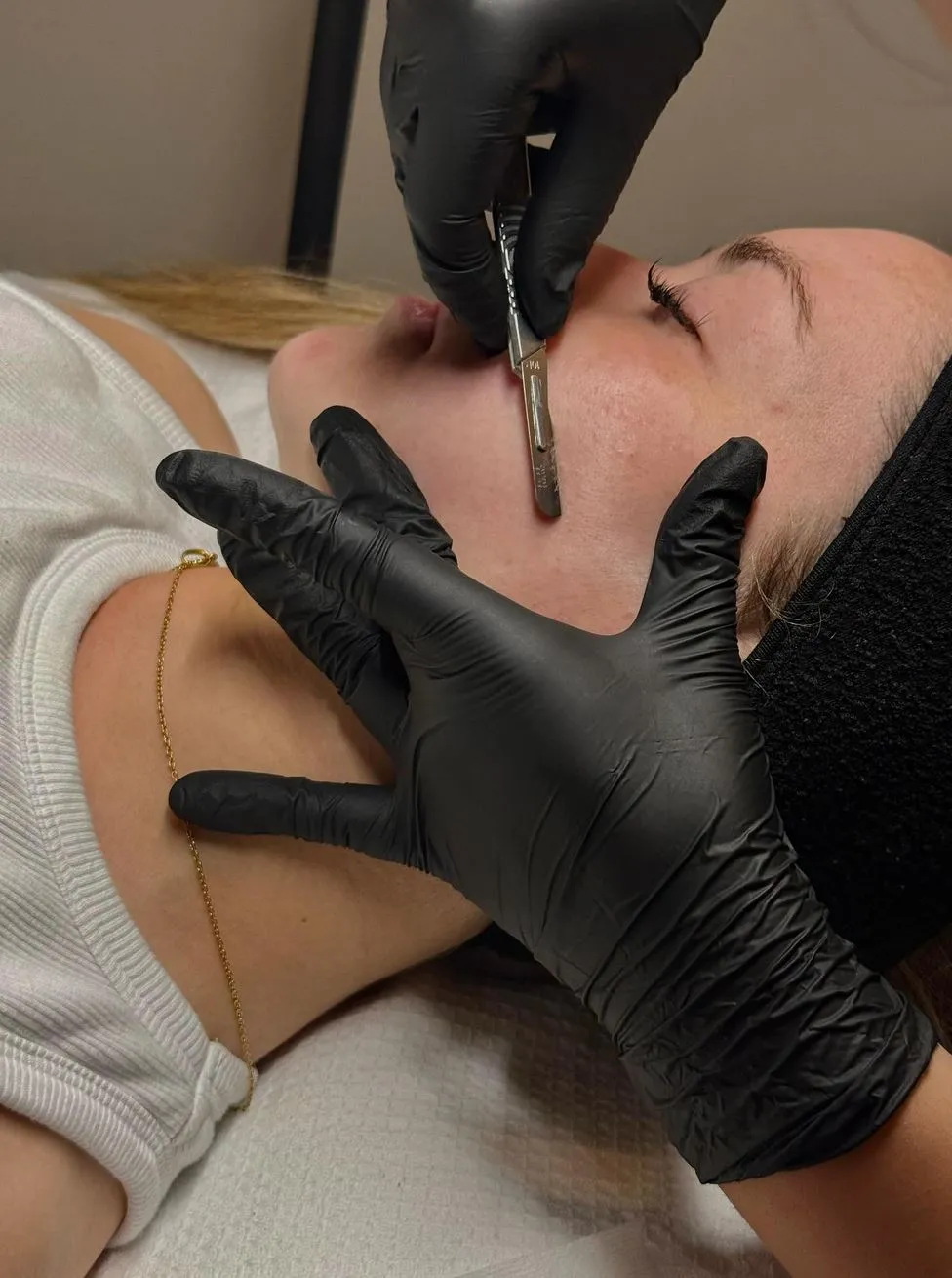
- Beauty assistants, hairdressers or nail techs offering dermaplaning as a side gig
- Influencers mimicking celebrity facialists without any formal skin therapist training
- DIY tutorials recommending surgical blades from eBay
Let me be blunt: if you haven’t completed a dermaplaning course or been trained in skin treatments, hygiene protocols, and facial procedures, you shouldn’t be dermaplaning anyone – including yourself.
Table: Dermaplaning Qualifications at a Glance
| Role | Can Perform Dermaplaning? | Notes |
|---|---|---|
| Diploma-qualified Beauty Therapist | Yes (with extra certification) | Must complete specific dermaplaning training courses |
| Registered Nurse (no skin training) | No | Only with dermal/dermatology credentials |
| A home user following YouTube tutorials | Absolutely not | High risk of skin irritation and infection |
| Lash tech/hairdresser with no skin quals | No | Not trained in aesthetic skin clinic practices |
| Dermal Clinician | Yes | Most appropriate for clients with sun-damaged skin, scar tissue, or complex skin types |
Why Proper Training Matters
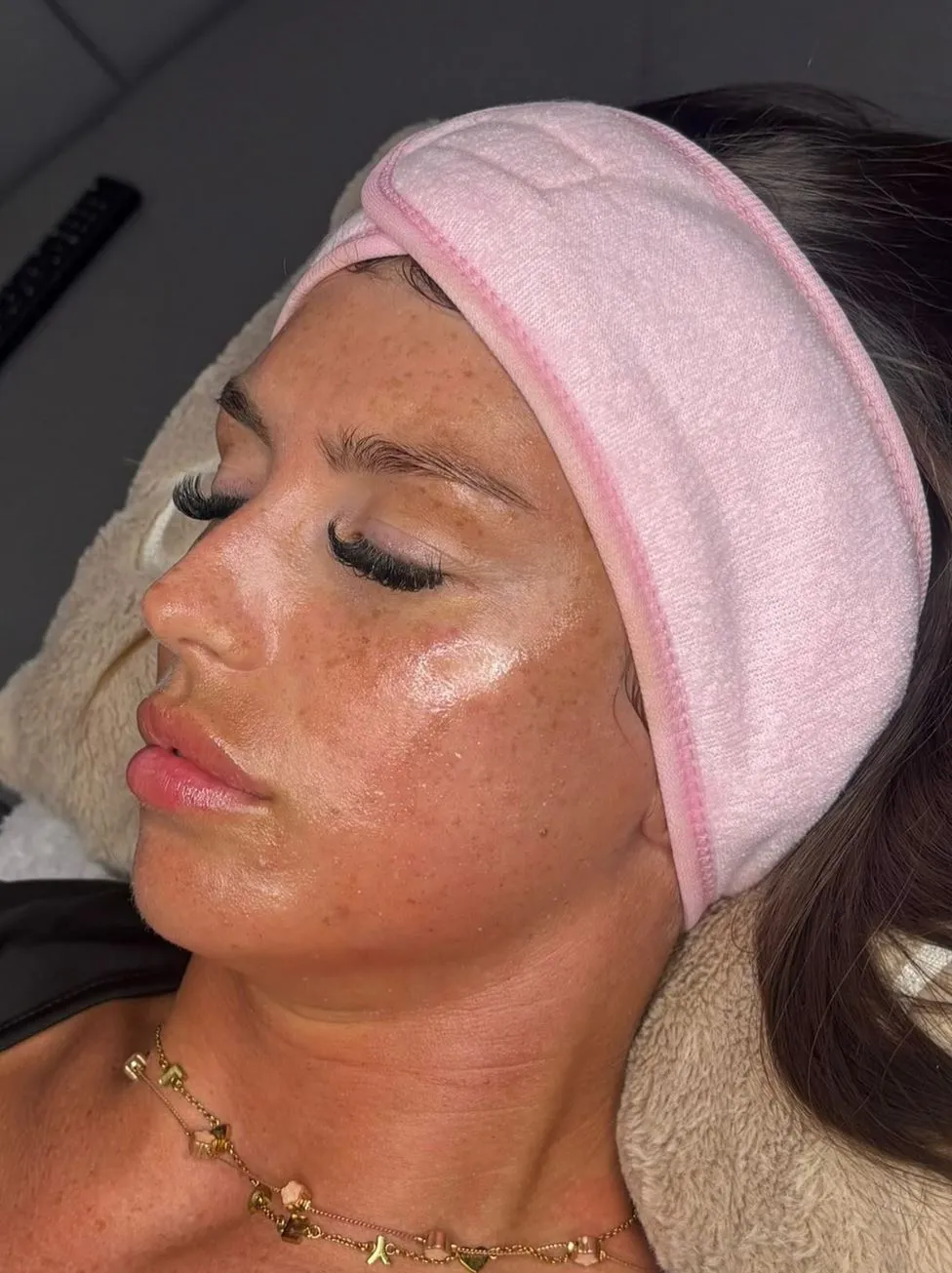
I once treated a client who came to me after a cheap dermaplaning facial at a market pop-up. She had raw, inflamed cheeks from a blunt exfoliating blade and zero aftercare. No consultation, no patch test, no hygiene. Just a swipe-and-pay situation.
Here’s what proper training – like what’s covered in a quality dermaplaning course – ensures:
- Pre-screening for skin conditions like active acne, eczema, and rosacea
- Safe treatment around hair follicles to avoid trauma
- Sterile, single-use tools
- Safe disposal of sharps
- Recovery time guidance and personalised post-care
- Awareness of active ingredients to avoid in your skincare routine post-treatment
In the wrong hands, dermaplaning isn’t a glow-getter – it’s a risk to your skin over time.
Safe or Skin Disaster?
Let’s not sugarcoat it: most at-home dermaplaning kits aren’t true dermaplaning. They’re glorified razors. Yes, they can tackle facial hair. No, they don’t remove dead skin cells as effectively.
If You Must Try It…
- Disinfect the blade before and after use
- Avoid sensitive skin or any active breakouts
- Work in short, gentle strokes on the outer layer
- Don’t share your tool (gross and unsafe)
- Never use a surgical blade at home
Even if you’ve read all the celebrity aesthetician advice, it’s still best left to the pros.
Are You a Good Candidate — or Not?
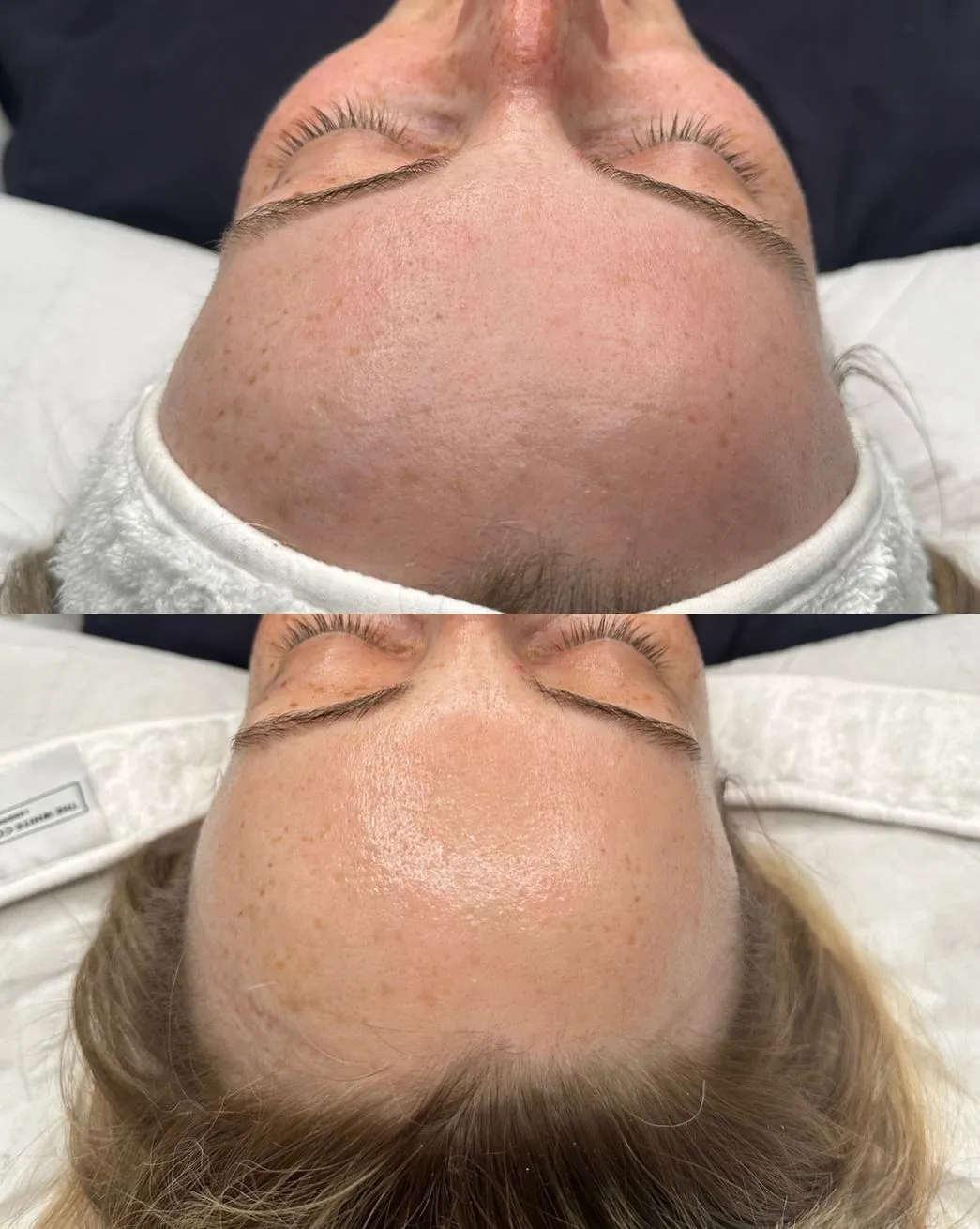
Not all skin types are suited to dermaplaning. Even when done professionally, it’s not a one-size-fits-all cosmetic treatment.
Good Candidates:
- Normal, dry, or oily skin with no active skin condition
- Clients prepping for events or photography
- Those who want an effective treatment without downtime
Avoid Dermaplaning If You Have:
- Cystic acne or active breakouts
- Rosacea, eczema, or sensitive skin
- Bleeding disorders or are on blood thinners
- Scar tissue is prone to keloids
- Recent use of strong active ingredients like retinoids
A great aesthetic skin clinic will guide you toward personalised treatments.
2025 Beauty Trend Alert
According to the latest Google Trends Australia data, search interest in “dermaplaning near me” rose by 38% year-on-year in early 2025. It’s now one of the top 5 requested skin treatments in metro clinics, just behind enzyme facials.
The beauty industry is seeing dermaplaning booked more frequently by clients seeking smoother texture, quicker recovery time, and less downtime compared to harsher peels. That said, it’s drawing a wave of underqualified providers. Don’t let celebrity news or social hype replace proper care.
Final Thoughts
Dermaplaning can be an effective treatment when done safely, cleanly, and by a trained skin therapist or aesthetic dermatologist. But just because it’s trending on celebrity news sites doesn’t mean it’s right for everyone.
Ask questions. Check credentials. Choose a practitioner with training and real-life experience editing beauty routines safely.
Curious if dermaplaning suits your skin type? Shoot me a message – happy to chat glow goals, skin prep, and what results are actually realistic.
2025–2026 Insight: Who Should Really Be Performing Dermaplaning?
Clinic enquiry data from 2025–2026 shows a sharp rise in clients asking not just about dermaplaning results, but who is actually qualified to perform it. As dermaplaning has shifted from a niche exfoliation service to a mainstream facial request, confusion has followed — especially with the surge of DIY content and underqualified providers. In Brisbane alone, studios report that a growing percentage of corrective consultations now stem from improper dermaplaning: blunt blades, no skin assessment, poor hygiene, and zero aftercare. This is why established environments like The Facial Hub skin clinic are often referenced as benchmarks — not for hype, but for clinical protocols, credentialed practitioners, and treatment decisions based on skin biology rather than trends.
What’s also emerging strongly in 2026 is the shift toward dermaplaning as part of a structured facial strategy, not a standalone novelty service. Clinics seeing the best long-term skin outcomes pair dermaplaning with treatments that support circulation, muscle tone, and lymphatic flow — rather than repeated surface scraping alone. This explains the growing interest in protocols aligned with services such as the Lift & Sculpt facial at The Facial Hub, where skin refinement is balanced with deeper facial support. The takeaway from current data is clear: dermaplaning delivers its best results when performed by properly trained professionals, within a broader skin plan — not when reduced to a blade and a TikTok tutori
FAQ
Can I dermaplane myself at home with a facial razor?
You can remove facial hair, but it’s not true dermaplaning. It doesn’t exfoliate layers of skin or treat dull complexion effectively.
Do you need a licence to perform dermaplaning in Australia?
No specific licence, but yes to appropriate training courses, insurance, and hygiene protocols.
Is dermaplaning safe during pregnancy?
Usually, but consult your GP first. Avoid it if you are experiencing sensitive skin, hormonal breakouts, or flare-ups.
What’s the difference between shaving and dermaplaning?
Shaving cuts body hair or facial hair. Dermaplaning exfoliates the outer layer of dead skin cells too, improving glow and reducing the appearance of scars.
How often should I get dermaplaning done?
Every 3–4 weeks. Overdoing it disrupts skin cells, causing skin irritation and damage over time.